Fruit
Fruit Vegetable
 Other
OtherLibrary

Fruit seasons in Vietnam
Fruit seasons in Vietnam

Ho Chi Minh City inspectors flag high proportion...
Many tangerines, pears and apples imported from...

Provisions on tax and customs Japan
Provisions on tax and customs Japan
Support Online
 |
| Ms.Anh |
|
| Mr.Son |
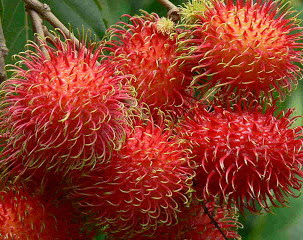
Rambutan Fruit
Inside, the two fruits are alike: both have firm, white flesh that is juicy and sweet. The seed at the center, however, is not edible. Rambutan is especially popular in Southeast Asia, where it is highly valued and often praised for its many benefits.
Transport & Storage: The ideal temperature for transporting and storing rambutan is between 6–8˚C.
In Store: Rambutans are best displayed on the regular fresh produce shelves.
At the orchard
In Southeast Asia, where rambutan originates, the fruit grows on trees that can reach up to 20 metres in height. Cultivation requires patience during the first four years, as the trees do not yet bear fruit. From flowering to harvest takes about 30–45 days. Rambutans grow in clusters and are also harvested in clusters to avoid damage to the fruit.
After harvest, the fruits are brought to large warehouses, where they are rinsed and inspected. Each rambutan is weighed and then packed into boxes.